Why Mechanical & Cable Integration Matters in Complex Electronic Systems
23 June, 2026
When developing industrial, medical, transportation or defence equipment, the display is often the most visible element of the system. Yet the success of the final product frequently depends on something far less obvious: how well every component is integrated behind the scenes.
As electronic systems become more compact, connected and performance-driven, engineers face increasing pressure to combine displays, computing platforms, power distribution, user interfaces and communications hardware within ever tighter mechanical constraints. In these environments, successful products are rarely built from standard components alone.
At Review Display Systems, we help customers solve these challenges through a combination of display expertise, embedded computing, custom mechanical design and cable integration capabilities, delivering complete systems rather than individual parts.
Designing for Integration from Day One
One of the most common causes of delays in product development is treating displays, electronics, cabling and mechanical design as separate workstreams.
A display may meet the optical requirements perfectly but prove difficult to mount within the available enclosure space. An embedded computer may deliver the necessary performance but create thermal challenges. Standard cables may function electrically yet complicate assembly, servicing or reliability in the field.
Successful product development requires these elements to be considered together from the earliest stages.
By engaging with customers at the concept phase, RDS can evaluate:
- Mechanical packaging constraints
- Display mounting requirements
- Cable routing and harness design
- Thermal management considerations
- Serviceability and maintenance access
- Environmental protection requirements
- Manufacturing and assembly efficiency
This system-level approach helps eliminate integration issues before they become a costly redesign.
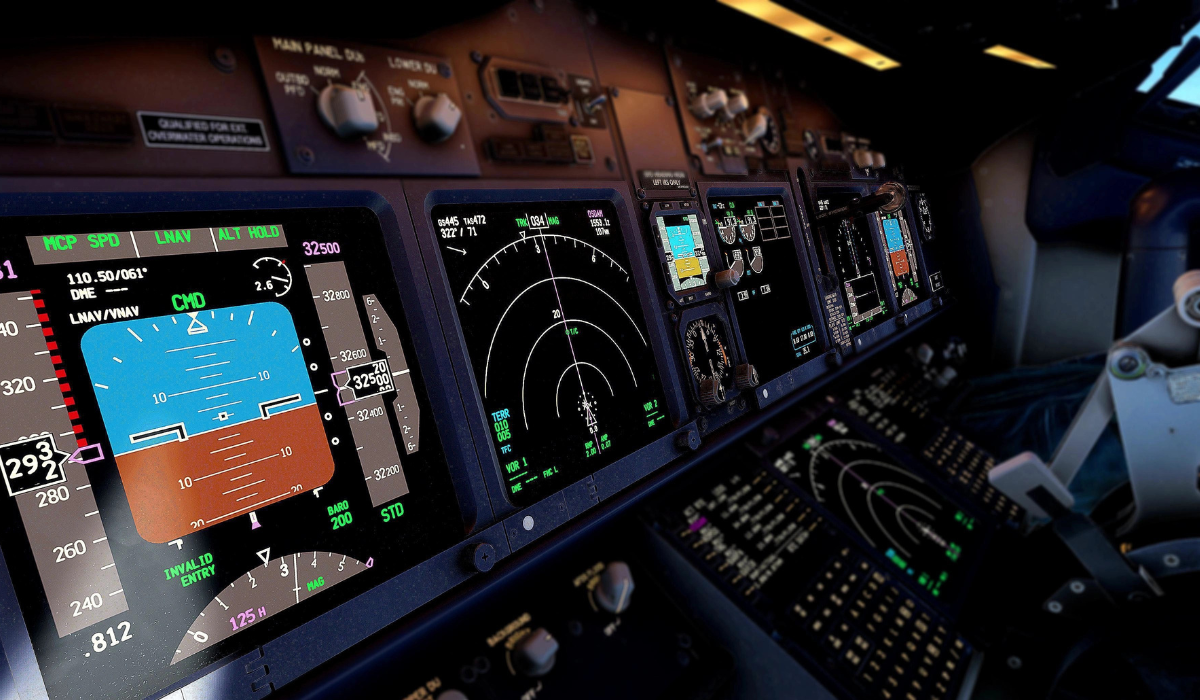
Mechanical Design That Supports Real-World Applications
Industrial and mission-critical equipment often operates in demanding environments where reliability is essential.
Mechanical design is therefore about far more than creating an enclosure. It must protect sensitive electronics, simplify installation, withstand environmental stresses and support long-term operational performance.
Our engineering teams work closely with customers to develop custom mechanical solutions that address challenges such as:
- Space-constrained installations
- Shock and vibration exposure
- Weight reduction requirements
- Environmental sealing
- Human-machine interface ergonomics
- Rapid deployment and field servicing
Whether developing a portable control station, rugged industrial terminal or integrated display system, every mechanical element is designed around the operational needs of the application.
The Hidden Importance of Cable Integration
Cable assemblies are often overlooked during development until integration begins.
However, poorly planned cabling can create a range of problems including difficult assembly processes, maintenance challenges, signal integrity issues and reduced reliability.
As systems become more sophisticated, cable design must support both electrical and mechanical requirements.
Key considerations include:
- Routing through confined spaces
- Connector accessibility
- EMI and signal integrity requirements
- Strain relief and durability
- Environmental protection
- Simplified installation and servicing
Rather than relying on multiple off-the-shelf cables, custom cable integration allows assemblies to be designed specifically around the system architecture, improving reliability while reducing assembly complexity. Early consideration of cable routing and mechanical constraints can significantly improve manufacturability and long-term performance.
Reducing Complexity Through Electromechanical Integration
Modern equipment increasingly combines multiple technologies into a single platform.
Displays, touchscreens, embedded computers, power systems, communications hardware and control electronics must all function as one cohesive system.
This is where electromechanical integration delivers significant advantages.
By managing multiple disciplines under one engineering programme, RDS helps customers:
- Reduce supplier complexity
- Simplify procurement
- Accelerate development schedules
- Improve system reliability
- Streamline manufacturing assembly
Instead of sourcing and integrating numerous individual components internally, customers can benefit from a solution that arrives fully engineered, tested and ready for deployment.
From Components to Complete Systems
At RDS, our capabilities extend far beyond suppling industrial displays.
By combining display technology, embedded computing, mechanical engineering and cable integration expertise, we help customers transform complex design challenges into fully integrated solutions.
Whether developing a rugged control station, industrial HMI, transportation platform or specialised equipment for demanding environments, our engineering teams work as an extension of your own to ensure every element functions together seamlessly.
Because in modern electronics, success is rarely defined by a single component. It's defined by how effectively the entire system is integrated.